
3D Printing vs CNC Machining: How to Choose

Every week, we get calls from Charlotte-area manufacturers asking the same question: “Should I 3D print this part or have it CNC machined?” It’s a great question, and the answer can dramatically impact your project timeline and budget.
The truth is, both technologies have their sweet spots. After working with hundreds of local businesses, from automotive suppliers in Mooresville to medical device startups in Ballantyne, we’ve developed a clear framework for making this decision. Let’s break down when each technology shines and how to choose the right one for your specific needs.
Understanding the Fundamental Differences
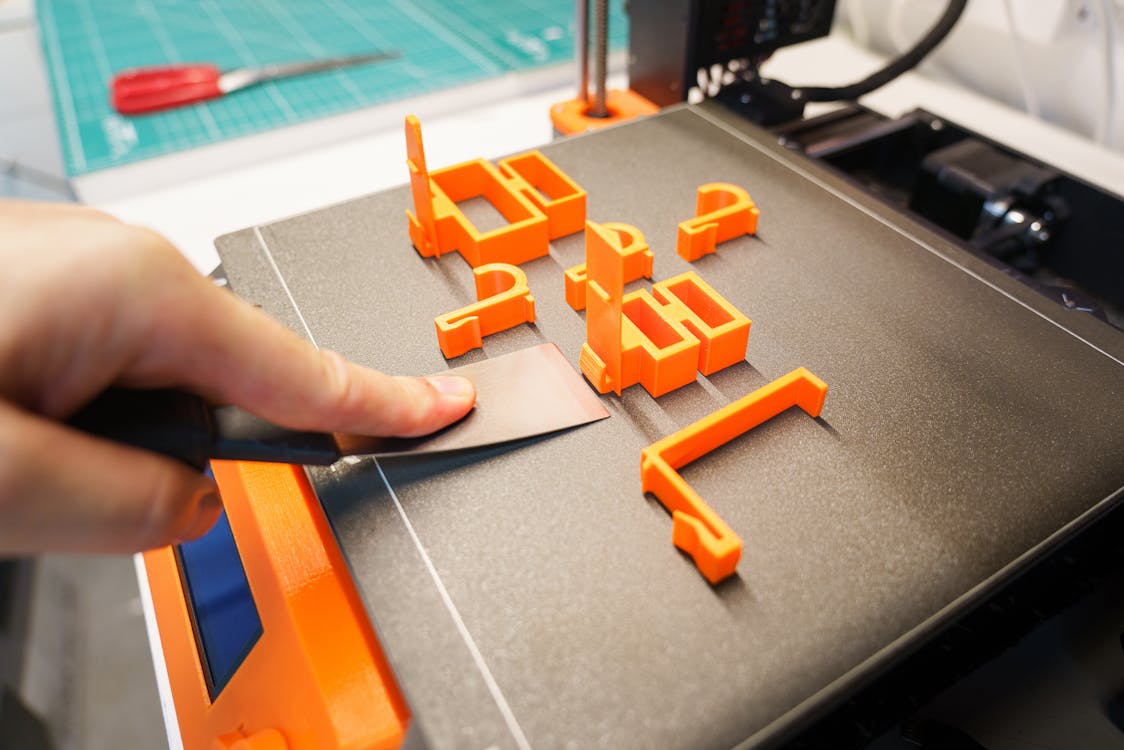
3D printing builds your part layer by layer from the bottom up. This additive process means we can create internal geometries, undercuts, and complex shapes that would be impossible or prohibitively expensive with traditional machining. Think of it like building with LEGO blocks - we can create hollow structures, internal channels, and organic shapes without worrying about tool access.
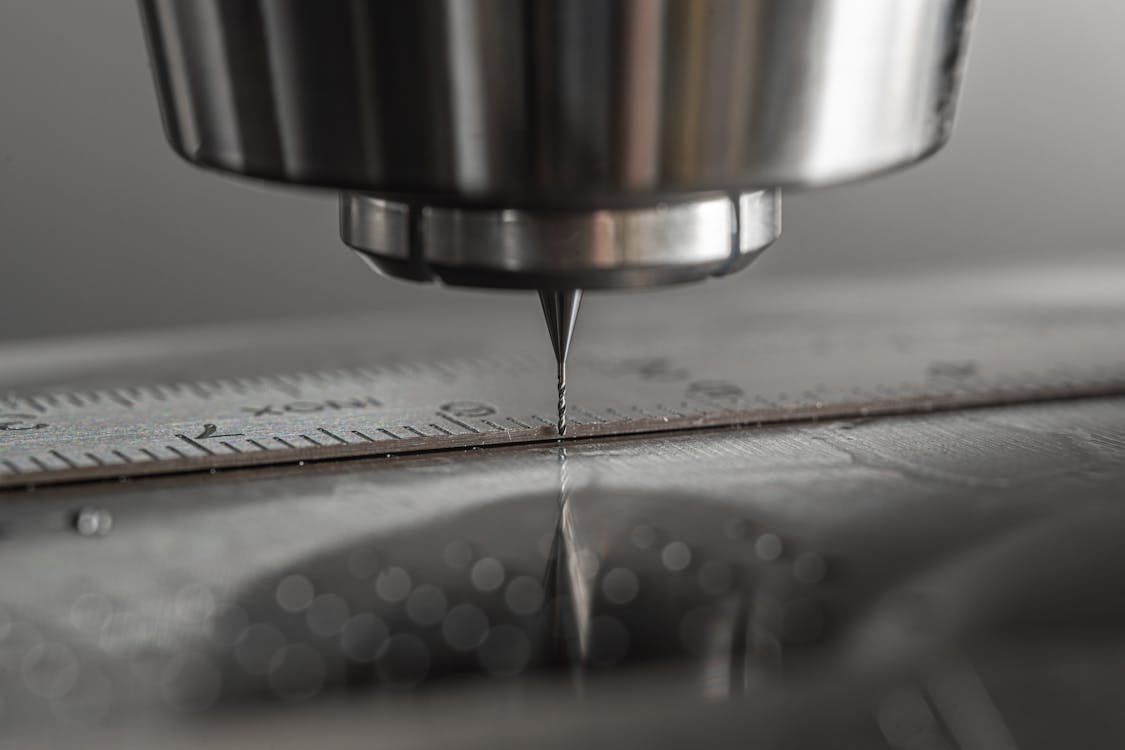
CNC machining, on the other hand, starts with a solid block of material and removes everything that isn’t your part. It’s subtractive manufacturing at its finest. While limited by tool access and setup complexity, CNC delivers unmatched surface finish and tight tolerances for the right geometries.
When 3D Printing Dominates: Complex Geometries and Low Volumes
Complex internal features are where 3D printing truly excels. Last month, a hydraulics company in Huntersville needed a manifold with intricate internal fluid channels. CNC machining would have required multiple setups, specialized tooling, and drilling intersecting holes that would need to be plugged. We 3D printed it in Nylon as a single piece in 14 hours.
Here’s when 3D printing typically wins:
- Prototype iterations: Need to test five design variations? We can print all five simultaneously, often delivering them within 24-48 hours through our rapid prototyping service
- Low production volumes: For quantities under 100 pieces, 3D printing often beats CNC on cost
- Organic or lattice structures: Aerospace components, medical implants, lightweight brackets
- Consolidated assemblies: Combining multiple parts into one eliminates assembly time and potential failure points
- Custom one-offs: Replacement parts for classic cars, custom drone components, specialized tools
When CNC Machining Makes More Sense
For high-precision metal parts in larger quantities, CNC often provides better economics. A NASCAR team we work with needed 500 aluminum suspension brackets. While we could 3D print them in aluminum-filled filament, CNC machining delivered better material properties and lower per-unit cost at that volume.
CNC machining excels when you need:
- Tight tolerances: ±0.001” or better (3D printing typically achieves ±0.003” to ±0.010”)
- Superior surface finish: Mirror finishes without post-processing
- Specific metal alloys: 7075 aluminum, tool steels, titanium with certified material properties
- High production volumes: Above 100-500 pieces, CNC unit costs often drop below 3D printing
- Simple geometries: Basic shapes without undercuts or internal features
The Hybrid Approach: Best of Both Worlds
Smart manufacturers increasingly combine both technologies. We regularly see companies use 3D printing for initial prototypes and functional testing, then switch to CNC for production runs. This approach minimizes upfront investment while ensuring the final parts meet all specifications.
A medical device company in Charlotte follows this exact workflow. They 3D print prototypes in PETG for form and fit testing, iterate the design based on feedback, then CNC machine the final FDA-approved version from medical-grade stainless steel.
Cost Comparison: Real Numbers from Real Projects
Let’s look at actual cost scenarios for a typical industrial bracket (3” x 4” x 2” with mounting holes):
Single prototype:
- 3D printing (PETG): $45-65, 24-hour turnaround
- CNC machining (aluminum): $200-350, 5-7 day turnaround
25-unit batch:
- 3D printing: $35-45 per unit, 3-5 day turnaround
- CNC machining: $75-125 per unit, 10-14 day turnaround
500-unit production:
- 3D printing: $30-40 per unit, 2-3 week turnaround
- CNC machining: $15-25 per unit, 2-3 week turnaround
These numbers flip completely when you add complexity. Internal cooling channels or organic lightweighting can make CNC costs skyrocket while barely affecting 3D printing prices.
Material Considerations That Drive Technology Choice
Material requirements often dictate the manufacturing method. While 3D printing materials have improved dramatically, CNC still offers a broader selection of engineering-grade metals and plastics with certified material properties.
For functional plastic parts, modern 3D printing materials like ASA and carbon fiber nylon match or exceed injection-molded properties. But if you need specific metal alloys with certified mechanical properties, CNC machining remains the go-to choice.
Design Freedom vs Manufacturing Constraints
3D printing liberates designers from traditional manufacturing constraints. We’ve helped companies reduce part counts by 70% through consolidation, eliminate assembly steps, and create performance-optimized geometries impossible with any other method.
However, this freedom comes with its own design rules. Layer adhesion, support requirements, and print orientation all affect part strength. Our custom design services help navigate these considerations to ensure your parts perform as intended.
Making the Decision: A Practical Framework
When evaluating your next project, consider these factors in order:
- Geometry complexity: Internal features or undercuts? 3D printing wins
- Production volume: Under 100 units? 3D printing. Over 500? Consider CNC
- Material requirements: Need certified metals? CNC. Engineering plastics? Either works
- Tolerance needs: ±0.001” required? CNC. ±0.005” acceptable? 3D printing
- Timeline pressure: Need parts tomorrow? 3D printing delivers
The best choice isn’t always obvious. We’ve seen simple-looking parts that were perfect for 3D printing due to hidden complexity, and seemingly complex parts that CNC machined beautifully with the right fixturing strategy.
Industry-Specific Applications Drive Technology Adoption
Different industries in the Charlotte metro gravitate toward different solutions. Motorsports teams from Mooresville often start with 3D-printed prototypes for wind tunnel testing, then CNC machine the final carbon fiber molds. Medical device companies might 3D print patient-specific surgical guides while CNC machining standardized implant components.
The drone and UAV industry showcases this perfectly. Custom mounts and aerodynamic fairings leverage 3D printing’s design freedom, while precision motor mounts and landing gear often require CNC machining’s superior tolerances and material properties.
The Future: Convergence and Coexistence
Both technologies continue advancing rapidly. Multi-axis CNC machines now handle previously impossible geometries. Meanwhile, 3D printing speeds increase while costs decrease. Rather than one technology replacing the other, we’re seeing increased specialization and hybrid approaches.
Smart manufacturers don’t choose sides - they leverage each technology’s strengths. This pragmatic approach delivers better products faster and more economically than dogmatically sticking to one method.
Ready to Choose the Right Manufacturing Method?
Whether your project calls for 3D printing, CNC machining, or a combination of both, success starts with understanding your specific requirements. Our team helps Charlotte-area businesses navigate these decisions daily, ensuring you get the right parts at the right price.
Have a part you’re unsure about? Upload your design for a free consultation. We’ll analyze your requirements and recommend the most effective manufacturing approach - even if that means referring you to a trusted CNC partner.
Related Resources
Related Articles
Waterproofing 3D Prints: Methods & Materials
Learn proven techniques to make FDM 3D printed parts waterproof for outdoor and liquid-contact applications.
3D Printing Validation Testing Guide
Master validation testing for 3D printed parts with dimensional checks, strength tests, and material verification methods.
Cost-Per-Part Calculator for 3D Printing
Master the hidden variables that determine your true 3D printing costs and make smarter sourcing decisions.