

Photo by Jakub Zerdzicki on Pexels
Sustainable 3D Printing for Business

Sustainable 3D Printing for Business: Meeting Environmental Goals While Cutting Costs
Sustainability has moved from buzzword to business imperative. Charlotte-area companies face increasing pressure from customers, investors, and regulators to reduce environmental impact. Additive manufacturing offers a path to meet these goals while maintaining competitiveness. Let’s explore how 3D printing transforms waste streams, reduces carbon footprints, and creates new opportunities for sustainable business practices.
The Waste Problem in Traditional Manufacturing
Subtractive manufacturing creates mountains of waste. When you machine a part from a block of material, 60-90% often ends up as chips on the shop floor. That aluminum billet you started with? Most of it becomes scrap. Even with recycling programs, the energy cost of melting and reforming materials adds up quickly.
Traditional manufacturing also generates waste through overproduction. Minimum order quantities force businesses to order thousands of parts when they need hundreds. Those extras sit in warehouses, consuming space and capital, until they eventually become obsolete inventory destined for landfills.
The tooling itself represents embedded waste. Injection molds cost $10,000 to $100,000 and become useless when designs change. Dies, jigs, and fixtures fill storage rooms long after their useful life ends. Each represents materials and energy that served a single purpose before becoming industrial waste.
How Additive Manufacturing Reduces Material Waste
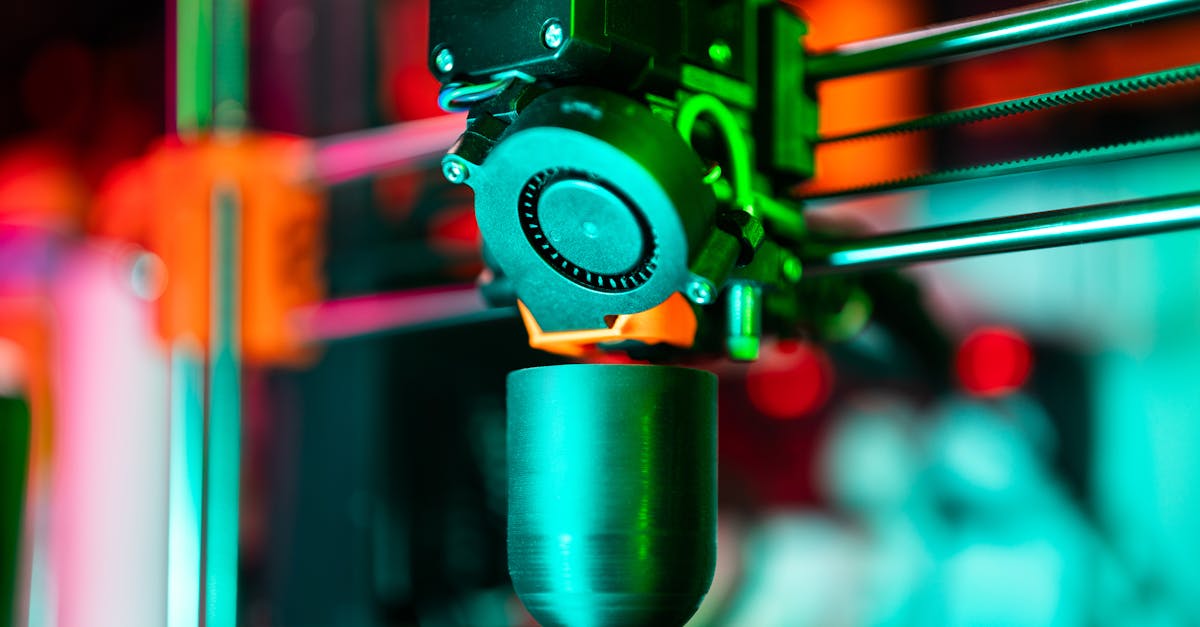
3D printing uses only the material needed for the part. FDM printing deposits plastic layer by layer, building your part from nothing. A bracket that would generate pounds of aluminum chips from CNC machining uses mere ounces of PETG filament. The only waste comes from minimal support structures, which typically represent 5-15% of the total material used.
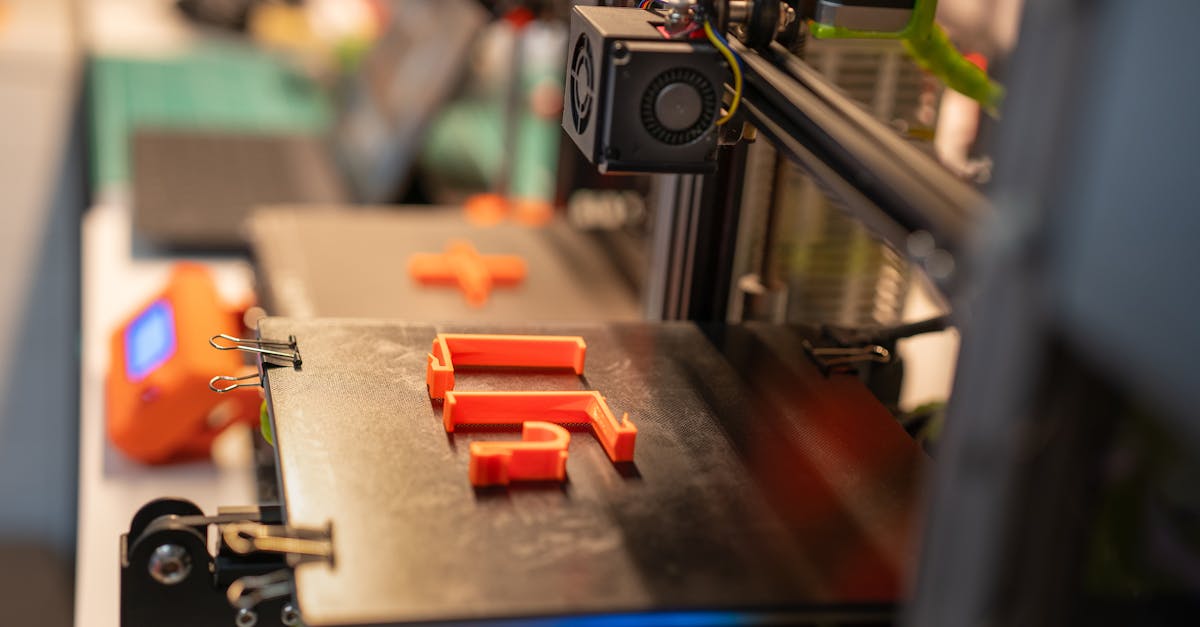
Photo by Jakub Zerdzicki on Pexels
Consider a complex housing that weighs 200 grams. Traditional machining might start with a 2-kilogram block, removing 1,800 grams of material. With 3D printing, you use perhaps 220 grams total - the part plus minimal supports. That’s a 90% reduction in raw material consumption.
Digital inventory eliminates overproduction entirely. Instead of ordering 1,000 units to meet minimum quantities, businesses print exactly what they need, when they need it. No excess inventory gathering dust. No obsolete parts heading to dumpsters. Just the right quantity at the right time.
Carbon Footprint Advantages
Transportation represents a hidden environmental cost in traditional manufacturing. Parts manufactured overseas travel thousands of miles by ship and truck. Even domestic suppliers might be states away. Each mile adds carbon emissions to your product’s environmental footprint.
Local 3D printing slashes transportation emissions. When you work with a Charlotte-based service like CLT 3D Printing, parts travel miles instead of continents. For businesses along the I-77 and I-85 corridors, from Mooresville to Matthews, local production means minimal transportation impact.
The energy equation also favors additive manufacturing for many applications. While industrial 3D printers do consume electricity, they often use less total energy than the combined processes of material extraction, processing, machining, and transportation in traditional manufacturing. FDM printers operating at 200-250°C use far less energy than aluminum smelting at 660°C or injection molding at even higher temperatures.
Material Selection for Sustainability
Not all 3D printing materials are created equal from a sustainability perspective. Understanding your options helps balance performance needs with environmental goals.
PLA leads in biodegradability. Derived from corn starch and sugarcane, PLA biodegrades under industrial composting conditions. While not suitable for every application due to temperature limitations (glass transition around 60°C), PLA works excellently for prototypes, fixtures, and indoor-use parts. We run PLA daily for clients who prioritize sustainability without compromising function.
PETG offers recyclability with durability. The same material as water bottles (PET with glycol modification), PETG provides chemical resistance, outdoor durability, and mechanical strength while remaining recyclable through existing infrastructure. Parts printed in PETG can enter standard recycling streams at end of life.
Engineering materials require thoughtful selection. While ABS, ASA, and Nylon offer superior performance for demanding applications, they come from petroleum sources and resist biodegradation. The key: use these materials only when their properties are genuinely required. A fixture that could work in PETG shouldn’t default to ABS just because “that’s what we always use.”
Designing for Sustainability
Design optimization reduces material usage further. Traditional manufacturing often requires solid, blocky designs for machining access or mold flow. 3D printing enables hollow structures, lattices, and topology-optimized geometries that use 40-70% less material while maintaining strength.
Generative design software now creates organic, bone-like structures that place material only where needed for load bearing. These designs, impossible to manufacture traditionally, represent the future of sustainable part design. A bracket that weighs 100 grams in solid form might achieve the same performance at 35 grams with optimized geometry.
Part consolidation eliminates assembly waste. Traditional manufacturing often requires multiple parts joined with fasteners, adhesives, or welding. Each joint represents potential failure points and additional materials. 3D printing enables complex, integrated designs that print as single pieces. Fewer parts mean less material, simpler assembly, and reduced failure modes.
End-of-Life Considerations
Sustainable manufacturing must consider the entire product lifecycle. What happens when a 3D printed part reaches obsolescence?
Grinding and reprocessing create circular material flows. Failed prints and obsolete parts need not become waste. Services exist to grind and re-extrude PLA and PETG into new filament. While the recycling process does degrade polymer chains slightly, recycled material works well for many applications, especially when blended with virgin material.
Design for disassembly enables material recovery. When designing assemblies, consider how components will separate at end of life. Snap-fits and interference fits often work better than permanent adhesives. Different materials should separate easily for proper recycling streams.
Digital files enable remanufacturing. Unlike physical tooling that wears out, digital files last forever. A part designed today can be reproduced identically in 10 years, using whatever sustainable materials have emerged by then. This “future-proofing” represents a unique advantage of digital manufacturing.
Measuring and Reporting Impact
Quantifying sustainability improvements builds stakeholder confidence. Businesses need concrete metrics to justify sustainable manufacturing choices. Track material usage reductions, transportation miles saved, and energy consumption compared to traditional alternatives.
Simple calculations tell powerful stories. If switching 100 aluminum brackets to 3D-printed PETG saves 50 pounds of material waste annually, that’s a metric worth sharing. If local printing eliminates 5,000 shipping miles, calculate the carbon savings. These numbers matter for sustainability reports, investor communications, and customer relationships.
Certifications and standards provide third-party validation. ISO 14001 environmental management systems increasingly recognize additive manufacturing’s role in waste reduction. B-Corp certification evaluators look favorably on local sourcing and waste minimization. Document your 3D printing initiatives for these assessments.
Economic Benefits Align with Environmental Goals
Sustainability doesn’t require sacrifice. The same practices that reduce environmental impact often cut costs. Less material means lower material costs. Local production reduces shipping expenses. On-demand manufacturing eliminates inventory carrying costs. Digital storage replaces physical warehouse space.
Small-batch production particularly benefits from this alignment. Traditional manufacturing’s high setup costs and minimum quantities create both financial and environmental waste. 3D printing’s economics favor exactly the quantities needed, when needed.
Government incentives sweeten the deal. Federal and state programs increasingly support sustainable manufacturing initiatives. Tax credits, grants, and accelerated depreciation for equipment that reduces waste help offset initial investments. North Carolina’s clean technology initiatives often include additive manufacturing as a qualifying technology.
Getting Started with Sustainable 3D Printing
Transitioning to more sustainable manufacturing doesn’t require wholesale changes overnight. Start with pilot projects that demonstrate both environmental and economic benefits.
Identify high-waste components first. Look for parts currently machined from large blanks with high material removal rates. These offer the greatest potential for waste reduction. Even moving 20% of such parts to additive manufacturing can significantly impact your sustainability metrics.
Evaluate your current spare parts inventory. Obsolete inventory represents both financial waste and environmental burden. Digital inventory strategies let you print spares on demand rather than stockpiling physical parts that may never be used.
Partner with sustainability-minded services. Working with local 3D printing services that understand and support your environmental goals makes implementation smoother. Ask about their material sourcing, waste handling, and energy practices. The right partner becomes an extension of your sustainability team.
The Future of Sustainable Manufacturing
Additive manufacturing technology continues advancing toward greater sustainability. New materials from renewable sources enter the market regularly. Recycling technologies improve, creating truly circular material economies. Energy efficiency increases with each printer generation.
Charlotte positions itself as a sustainable manufacturing hub. From Lake Norman to Ballantyne, businesses embrace local, sustainable production. The region’s manufacturing heritage combines with environmental consciousness to create competitive advantages.
The question isn’t whether to adopt sustainable manufacturing practices - it’s how quickly you can implement them. Customers increasingly demand environmental responsibility. Investors evaluate ESG metrics. Employees want to work for companies that care about the planet. 3D printing offers a practical path to meet all these expectations while improving your bottom line.
Start Your Sustainable Manufacturing Journey
Ready to reduce waste, cut carbon emissions, and meet your sustainability goals through 3D printing? Whether you need prototypes in biodegradable PLA or production parts in recyclable PETG, we’ll help you balance performance requirements with environmental responsibility. Upload your designs for a free consultation on sustainable material selection and design optimization at CLT 3D Printing’s Custom Order page.
Continue Learning
Related Articles
Waterproofing 3D Prints: Methods & Materials
Learn proven techniques to make FDM 3D printed parts waterproof for outdoor and liquid-contact applications.
3D Printing Validation Testing Guide
Master validation testing for 3D printed parts with dimensional checks, strength tests, and material verification methods.
Cost-Per-Part Calculator for 3D Printing
Master the hidden variables that determine your true 3D printing costs and make smarter sourcing decisions.